Increase Your Venue’s ROI with Strategic Auditorium Design
Optimizing Acoustics for a Superior Experience
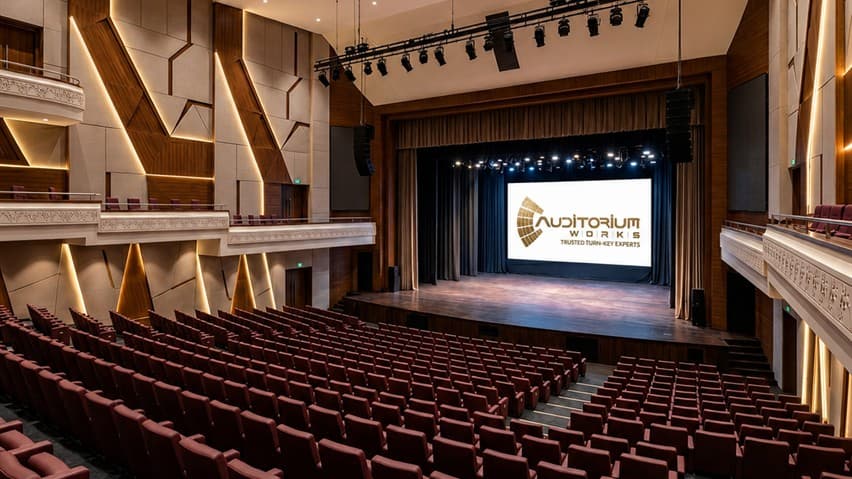
The acoustics of your auditorium are paramount. Poor acoustics lead to listener fatigue, muffled sound, and ultimately, dissatisfied patrons. Investing in acoustical design from the outset significantly impacts the quality of performances and events held within your venue. This translates directly to higher ticket sales and enhanced reputation. Consider the following factors for optimal acoustics:
- Reverberation Time: Achieving the ideal reverberation time for your auditorium’s intended use is crucial. Too much reverberation muddies the sound, while too little creates a dry, lifeless feel. This is influenced by the choice of materials, ceiling height, and overall volume.
- Sound Isolation: External noise intrusion is a major concern. Effective soundproofing through wall construction, door seals, and window treatments is crucial to maintaining a pristine audio environment, regardless of external activity.
- Sound Diffusion: Proper sound diffusion ensures even sound distribution throughout the auditorium, preventing “dead spots” or areas with excessive sound intensity. This is achieved through strategic placement of diffusive surfaces and architectural elements.
Seating and Sightlines: Maximizing Capacity and Comfort
Seating arrangement directly impacts patron experience and venue capacity. Thoughtful planning ensures all attendees enjoy optimal visibility and comfort. Consider these key aspects:
- Sightlines: Employ advanced CAD software to meticulously design sightlines, ensuring unobstructed views from every seat. This requires careful consideration of stage height, seating rake (the incline of the seating rows), and potential obstructions like support columns.
- Seating Density: Balancing comfort and capacity requires careful consideration of seat spacing and aisle widths. Sufficient space between rows and ample aisle widths ensure ease of movement and prevent overcrowding.
- Accessibility: Compliance with ADA guidelines is not only legally mandatory but also crucial for inclusivity. Ensure ample wheelchair spaces, accessible restrooms, and clear pathways are integrated into the design.
Lighting Design: Setting the Mood and Enhancing Visibility
Lighting is more than just illumination; it’s a powerful tool to create ambiance, enhance the performance, and ensure safety. Strategic lighting design significantly impacts the overall aesthetic and functionality of your auditorium:
- Stage Lighting: Invest in high-quality, versatile stage lighting systems capable of supporting a wide range of performances. Consider moving lights, spotlights, and ambient lighting to create dynamic visual effects.
- House Lighting: Proper house lighting ensures clear visibility for patrons while maintaining an appropriate atmosphere. Dimmable lighting systems allow for gradual adjustments to suit different events.
- Emergency Lighting: Adequate emergency lighting is crucial for safety and evacuation procedures. Clearly marked exit routes and strategically placed emergency lights are vital for ensuring a smooth and safe evacuation in case of emergencies.
Technology Integration: Enhancing the Modern Auditorium
Modern auditoriums benefit from seamless integration of advanced technology. This not only enhances the audience experience but also optimizes venue management and operational efficiency:
- Audio-Visual Systems: High-quality sound systems, projection screens, and video conferencing capabilities are essential for diverse events. Ensure compatibility with modern formats and seamless integration with control systems.
- Control Systems: Integrated control systems streamline management of lighting, sound, and other technical aspects. This centralized approach reduces operational complexity and improves efficiency.
- Digital Ticketing and Access Control: Streamline ticket sales and entry processes through digital ticketing systems and integrated access control. This minimizes queues, enhances security, and provides valuable data for operational insights.
Sustainable Design: Reducing Operational Costs and Environmental Impact
Incorporating sustainable design principles into your auditorium’s construction and operation reduces long-term costs and environmental impact. Consider these key elements:
- Energy-Efficient Systems: Utilizing energy-efficient HVAC systems, LED lighting, and smart building technologies significantly reduces energy consumption and operational expenses.
- Sustainable Materials: Employing eco-friendly building materials minimizes environmental footprint and contributes to a healthier indoor environment for patrons and staff.
- Water Conservation: Implementing water-efficient plumbing fixtures and rainwater harvesting systems reduces water consumption and minimizes the venue’s environmental impact.
By strategically addressing these key design elements, you can create an auditorium that not only delights audiences but also maximizes your venue’s return on investment for years to come. Contact Auditorium Works today to discuss your project and explore the possibilities of creating a truly exceptional venue.


Share Your Query