Auditorium Experts
by auditoriumworks
Jul 08, 2026


Designing the Perfect Performance
Before a single spotlight is placed or a note is struck, understanding your target audience is paramount. Demographic data, psychographic profiles, and even past attendance records provide invaluable insights. What are their expectations? What kind of experience are they seeking? Tailoring the performance to resonate with the audience ensures a higher level of engagement and a more memorable experience, ultimately leading to positive word-of-mouth and repeat attendance. Consider employing audience surveys or focus groups to gather crucial information before finalizing the performance design. Analyzing this data allows for informed decisions about everything from lighting and sound design to the selection of music or theatrical elements.
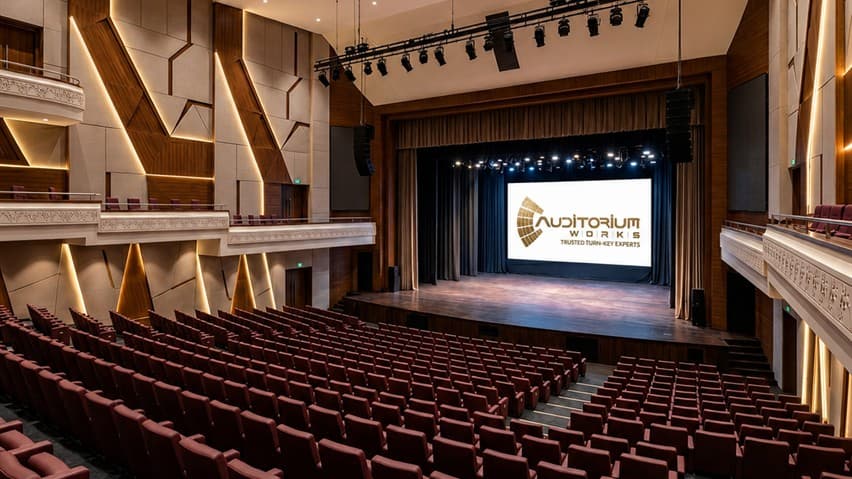
The visual elements of a performance are crucial to establishing mood, conveying narrative, and captivating the audience. Lighting design is more than just illumination; it’s a powerful tool for sculpting emotion and guiding the eye. Strategic use of color, intensity, and movement can heighten dramatic tension, create intimacy, or establish a specific atmosphere. Similarly, set design plays a vital role in creating a believable world for the audience to inhabit. The set’s aesthetic, scale, and functionality should all complement the overall narrative and enhance the performer’s presentation. Costumes, too, contribute significantly. They not only define characters but also communicate social status, historical period, and even personality traits. Careful attention to these details results in a cohesive and impactful visual experience.
Exceptional sound is essential for any successful performance. Careful acoustic design and sound engineering ensure that every note, word, and effect is clear, crisp, and reaches the entire audience with consistent quality. This involves strategic placement of speakers, thoughtful consideration of room acoustics (including absorption and reflection), and precise sound mixing. Investing in high-quality sound equipment and working with experienced audio engineers is critical to achieving a seamless and immersive auditory experience. Regular sound checks and adjustments are necessary to ensure optimal performance throughout the event.
Modern technology offers a wealth of opportunities to enhance the performance experience. From interactive elements to advanced projection mapping, integrating technology thoughtfully can significantly elevate the impact of the show. However, it’s crucial to avoid overwhelming the audience or detracting from the core performance. Technology should serve as a supplementary tool to enhance the narrative, amplify emotion, or create a more immersive experience. Careful consideration of user experience (UX) is paramount in ensuring that any technological integration is intuitive, seamless, and adds positive value for the audience.
The perfect performance is a collaborative effort. Open communication and seamless collaboration between performers, designers, technicians, and the production team are vital throughout the process. Regular rehearsals and feedback sessions provide opportunities for refinement and improvement. Paying attention to detail, embracing creative experimentation, and seeking constructive criticism are essential for achieving excellence. The ability to adapt and refine the performance based on feedback and unforeseen circumstances is crucial for a successful outcome.
Even the most spectacular performance will falter without effective marketing and promotion. A well-defined marketing strategy ensures that the performance reaches the target audience through the appropriate channels. This involves utilizing various promotional methods including social media campaigns, targeted advertising, public relations, and collaborations with relevant organizations. A compelling narrative and strong visuals in promotional materials will capture the audience’s attention and encourage ticket purchases. Strategic ticketing strategies and customer service also contribute to a positive overall experience.
After the final curtain falls, the work isn’t over. Post-performance analysis is invaluable for identifying areas of strength and areas for improvement. Gathering audience feedback through surveys and reviews helps in evaluating the effectiveness of different design elements and pinpointing areas needing refinement for future performances. This continuous cycle of improvement ensures that each subsequent performance is even better than the last. By carefully analyzing data and implementing changes, the creative team can constantly refine their approach, leading to higher audience satisfaction and a growing reputation for excellence.
Speak directly with our turnkey engineering team for acoustic design, stage lighting specifications, BOQ estimation, and turnkey delivery.
Auditorium Works delivers turnkey auditorium planning, consulting, engineering, and execution. We integrate acoustics, AV systems, stage lighting, machinery, seating, and interiors into one coordinated delivery path from concept to commissioning.
Share Your Query