Auditorium Experts
by auditoriumworks
Jul 08, 2026


Auditorium Design That Drives Audience Engagement
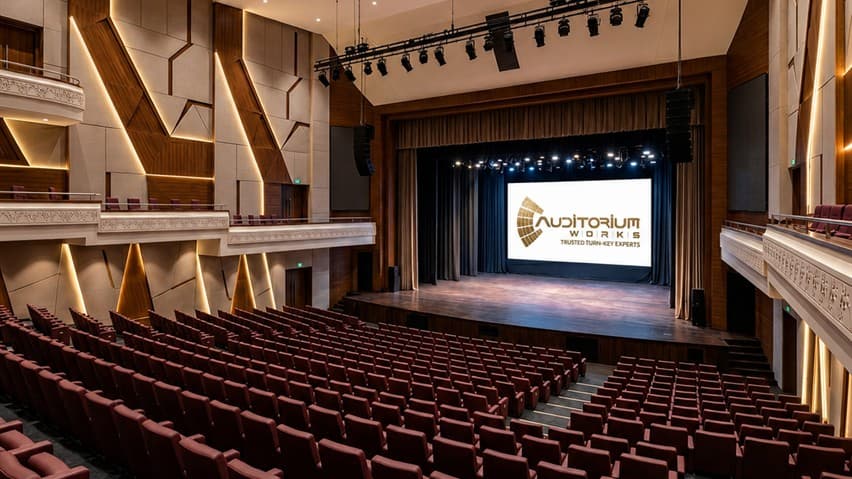
The modern auditorium is more than just a space for seating; it’s a dynamic environment designed to foster connection and captivate audiences. Effective auditorium design prioritizes audience engagement, moving beyond mere functionality to create an immersive and unforgettable experience. This begins with thoughtful consideration of acoustics, sightlines, and the overall atmosphere. Exceptional acoustics ensure every word and note is crisp and clear, regardless of seating location. Uninterrupted sightlines allow every attendee to have an unobstructed view of the stage, fostering a sense of intimacy and connection with the performance. The ambiance itself, created by lighting, materials, and even the scent of the air, plays a critical role in setting the mood and enhancing the overall experience.
Acoustic design is paramount. Poor acoustics can severely detract from the experience, leading to listener fatigue and a diminished appreciation for the performance. Careful consideration of reverberation time, sound absorption, and sound reflection are essential. Materials selected for the walls, ceiling, and flooring play a crucial role. The use of sound-absorbing panels, strategically placed diffusers, and reflective surfaces can help optimize sound distribution, ensuring uniform sound levels throughout the auditorium. Advanced acoustic modeling software can be utilized to predict and fine-tune the sound performance before construction, guaranteeing an exceptional listening experience for every attendee.
Clear sightlines are crucial for audience engagement. Every seat should provide an unobstructed view of the stage, minimizing distractions and maximizing the audience’s connection with the performers. This requires careful consideration of the auditorium’s shape, seating arrangement, and stage height. Stepped seating arrangements are often preferred, but even with raked seating, careful calculations are needed to avoid obstructions from heads or other elements. The use of computer-aided design (CAD) software allows for precise modeling and simulation of sightlines, ensuring optimal visibility from every vantage point.
Modern auditoriums are increasingly incorporating technology to enhance the audience experience. Large-screen displays, interactive elements, and advanced lighting systems can create dynamic and engaging performances. Furthermore, integrating technology that improves accessibility is crucial for inclusivity. This may involve features like assistive listening systems, captioning, and wheelchair-accessible seating with clear sightlines. Careful planning and coordination with technology providers are essential for a seamless and effective integration.
The atmosphere of an auditorium significantly impacts audience engagement. Lighting plays a crucial role in setting the mood, highlighting key features, and directing attention to the stage. Careful consideration of color temperature, intensity, and lighting effects can create a dynamic and immersive environment. The choice of materials also contributes to the overall atmosphere. Natural materials such as wood can create a warm and inviting feel, while modern materials such as metal can contribute to a more contemporary aesthetic. The interplay of light and materials can significantly enhance the audience experience and contribute to a lasting impression.
Designing an auditorium that drives audience engagement requires a holistic approach, carefully considering acoustics, sightlines, technology, and the overall atmosphere. By prioritizing these elements, auditorium designers can create spaces that are not merely functional but truly transformative, fostering a deeper connection between the audience and the performance. The result is a memorable experience that leaves a lasting impact.
Speak directly with our turnkey engineering team for acoustic design, stage lighting specifications, BOQ estimation, and turnkey delivery.
Auditorium Works delivers turnkey auditorium planning, consulting, engineering, and execution. We integrate acoustics, AV systems, stage lighting, machinery, seating, and interiors into one coordinated delivery path from concept to commissioning.
Share Your Query